NDTC Researcher Presents Study at Sustainability Governance International Conference 2026
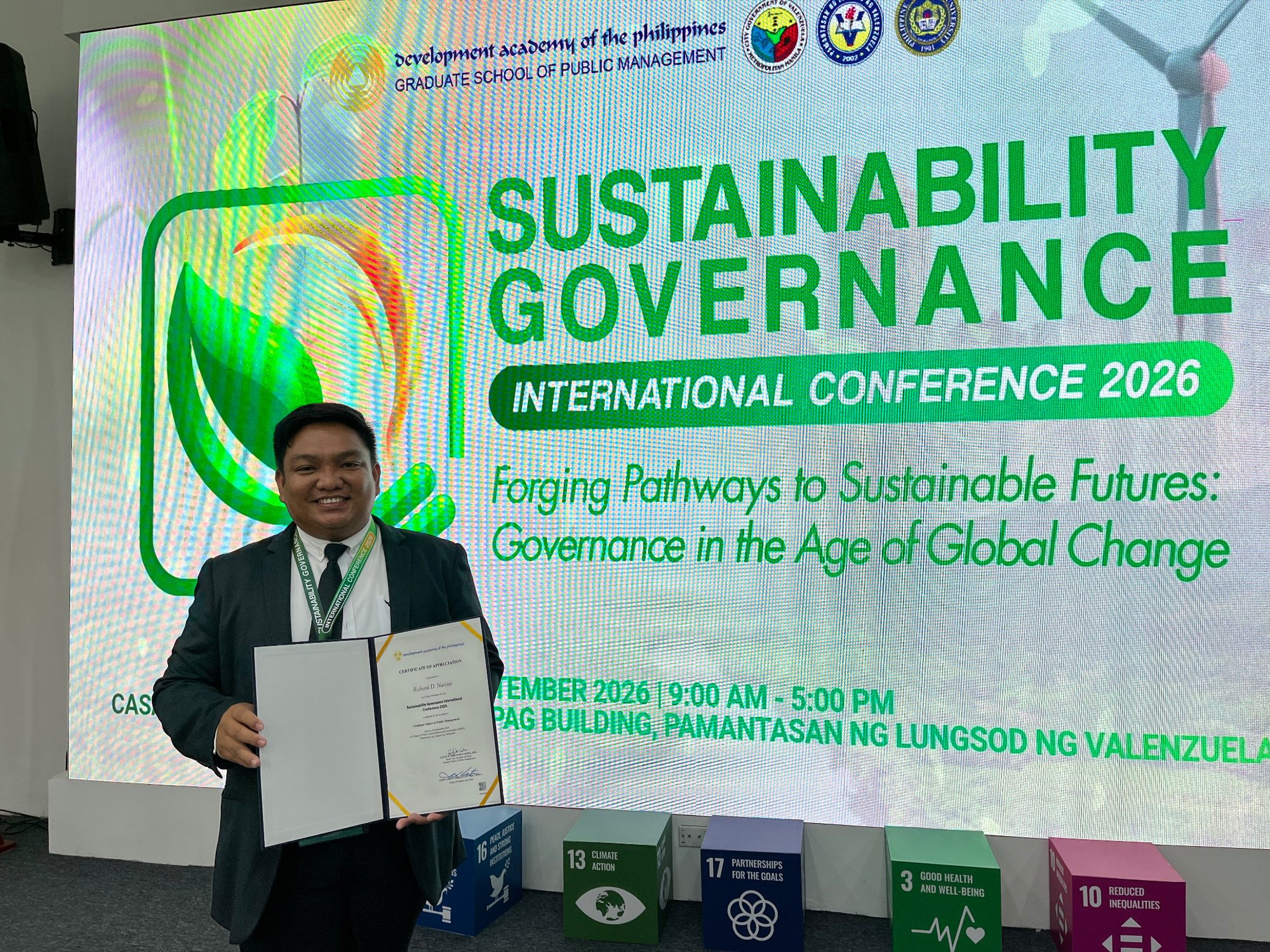
VALENZUELA CITY — Richard D. Narciso of Notre Dame of Tacurong College (NDTC) presented a research paper on barangay budget allocation at the inaugural Sustainability Governance International Conference 2026 (SG ICon26), held on September 29–30, 2026, in Valenzuela City.
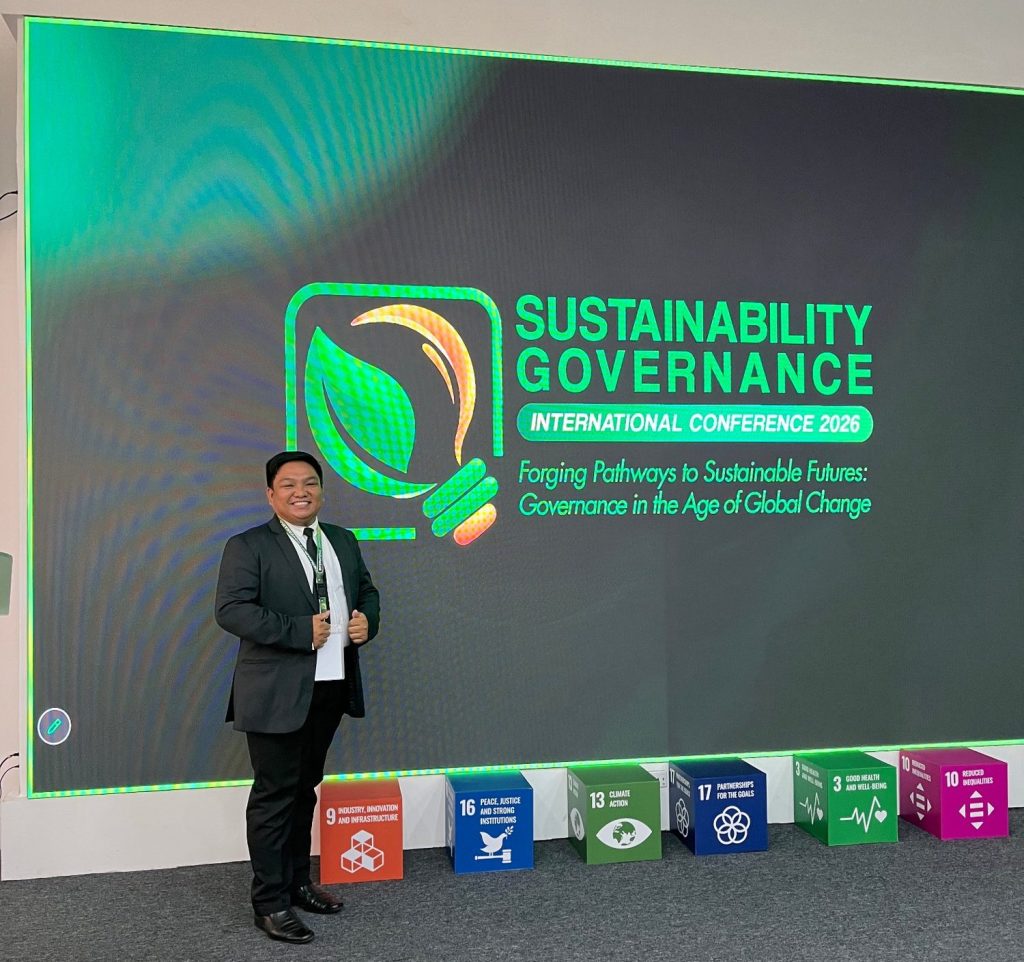
Narciso presented the study titled “Budget Allocation System of Barangays in President Quirino, Sultan Kudarat,” which was selected under the conference sub-theme “Governing Sustainability Transitions.”
Organized by the Development Academy of the Philippines–Graduate School of Public Management (DAP-GSPM), SG ICon26 carried the theme “Forging Pathways to Sustainable Futures: Governance in the Age of Global Change.” The conference brought together researchers, practitioners, policymakers, civil society actors, and private-sector stakeholders to share research, insights, and approaches related to sustainability governance.
The first day of the conference was held at Casa de Polo, Polo Park, Valenzuela City, while the second day was conducted at the Center for Public Administration and Governance Building of the Pamantasan ng Lungsod ng Valenzuela.
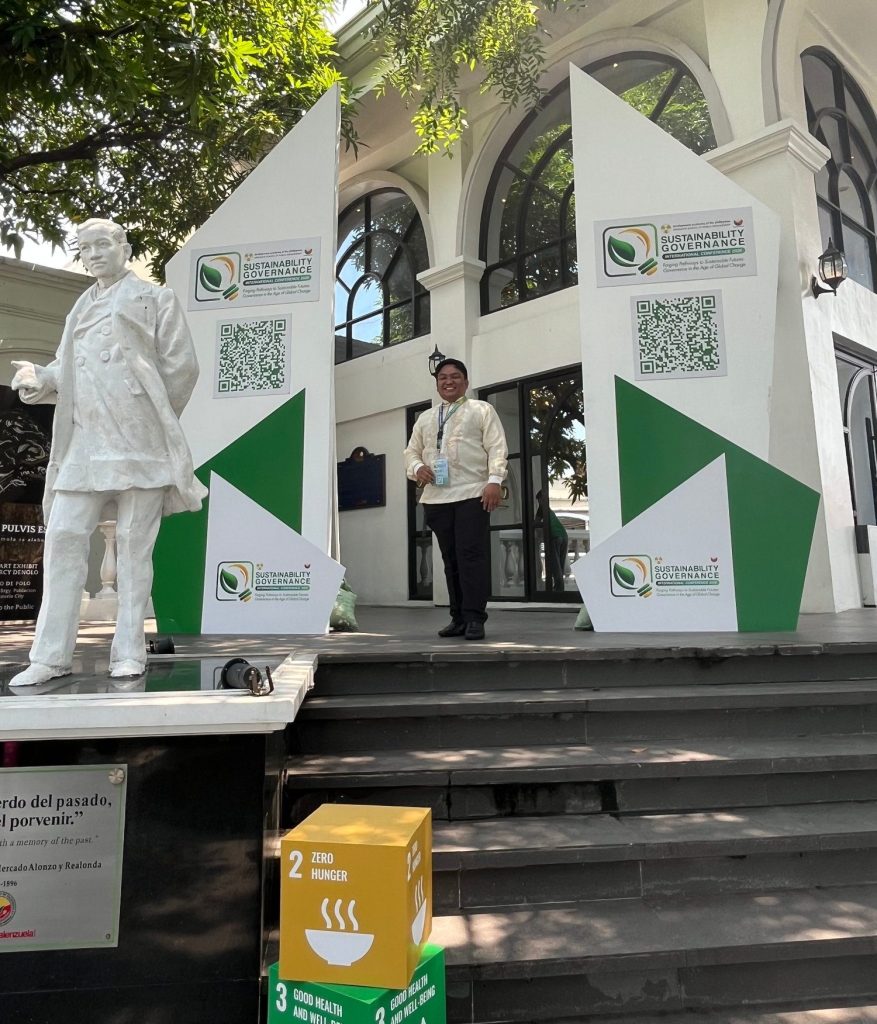
Narciso’s paper was included in the parallel paper presentation sessions on September 30. The official Parallel Sessions Guide listed the study among the presentations scheduled from 1:00 to 3:00 p.m.
The “Governing Sustainability Transitions” thematic area focused on the capacity-building pathways and institutional innovations needed to support adaptive sustainability transitions. It examined how organizational, local, and educational frameworks evolve in response to ecological crises, disaster management, community livelihoods, and other governance challenges.
According to the conference guidelines, participating researchers were expected to present their methodology, key findings, and relevant policy or practice recommendations while highlighting the contribution of their research to sustainability governance.
The parallel sessions were designed to provide real-world cases and data that could contribute to the development of a sustainability governance framework, advance understanding of governance transitions, strengthen cross-sector partnerships and dialogue, and support capacity-building and institutional transformation.
Narciso’s participation provided NDTC with representation in the international conference and brought research focused on barangay governance in President Quirino, Sultan Kudarat, to a broader academic and policy-oriented forum on sustainability and development.
SG ICon26 sought to advance evidence-based knowledge and policy influence, promote cross-sectoral and international collaboration, examine the role of technology and innovation in sustainable futures, and strengthen futures-oriented and anticipatory governance capacities.
The conference concluded by emphasizing the role of research, insights, and shared experiences in advancing dialogue on sustainability governance and in forging pathways toward sustainable futures.